Essential Plumbing Maintenance: How to Protect Your Home Before Hurricane Season Arrives

Plumbing Maintenance in Raleigh, Clayton, and Beyond

When severe weather approaches, most homeowners naturally stock up on non-perishable foods, batteries, and emergency supplies. However, one of the most vital steps in safeguarding your family and your property is ensuring your home’s water systems are fully prepared. At C. Massey Plumbing, we know that plumbing issues during a storm can quickly turn a stressful situation into an overwhelming home disaster.

Severe weather places extraordinary stress on both municipal infrastructure and residential systems. Torrential rain, violent wind gusts, and localized flooding can result in severe municipal backups, contaminated water lines, or severe foundation damage. By investing time in comprehensive plumbing maintenance in Raleigh, Clayton, or the surrounding areas before hurricane season begins, you can build a resilient barrier that protects your home, preserves your property value, and restores true peace of mind.

Proactive Measures: Preparing Your Plumbing Before Storm Season

The best time to prepare for severe weather is long before a storm system ever forms off the coast. Seasonal plumbing maintenance allows you to address subtle vulnerabilities around your property before heavy rains test them.

Clear Exterior Drains and Gutters

Roof run-off and surface water must have a clear path away from your foundation. Thoroughly clean all roof gutters, downspouts, and site drains. Ensure that downspout extensions discharge water at least three to five feet away from your home’s walls. Blocked yard drains or clogged culverts can cause massive water pooling, leading to basement flooding or foundation movement.

Inspect Sewer Lines and Main Drainage Systems

Your home’s main drainage system handles an extraordinary volume of water during severe storms. Scheduling professional plumbing maintenance to clear your main drain line before hurricane season ensures wastewater drains freely from your sinks, showers, and toilets. If your home is in a flood-prone area, our team can also inspect or install a sewer backwater valve—a vital device that allows wastewater to exit your home while preventing municipal surcharges from backing up into your floor drains. If your home relies on a basement sump pump, this is also the ideal time to test the float switch and ensure your battery backup is fully operational.

Assess Service Lines and Underground Pipe Security

High winds and saturated soil frequently cause ground shifts and sway heavy tree limbs, which can stress your home’s underground utilities. Have our team inspect the exterior access points for your main water and gas lines. If large tree roots grow near your underground pipelines, severe wind gusts uprooting a tree can shift or crack buried lines. Checking these connections beforehand ensures your underground supply lines remain structurally sound and free from soil intrusions.

Immediate Actions: What to Do When a Hurricane Warning is Issued

When a storm track shifts toward your region and local authorities issue a hurricane warning, you should pivot from long-term plumbing maintenance to immediate emergency protocols.

Reserve Clean Household Water

While you should always stock bottled drinking water (at least one gallon per person per day), you will also need utility water for hygiene and sanitation. Clean your bathtubs thoroughly and fill them completely. This water can be bucket-fed into toilet tanks for manual flushing or used for basic cleaning if municipal supplies are cut off.

Shut Off the Main Water Supply Valve

If you are advised to evacuate or if widespread flooding is expected in your neighborhood, shut off your main incoming water valve. This prevents contaminated floodwaters from siphoning into your home’s clean drinking water supply.

Protect the Water Heater

Shut off power and fuel to your water heating system—whether you rely on a traditional tank or a high-efficiency tankless water heater—to protect its electrical components and heating elements. For electric units, switch off the dedicated circuit breaker. For gas models, turn the gas supply valve to “Off” or “Pilot.” Powering down protects sensitive digital controls, circuit boards, and heating elements from unexpected power surges and severe water exposure.

Clear Surrounding Property Drains

Do a quick, final walk around your yard to clear away grass clippings, fallen twigs, and loose garden debris from patio and driveway drains.

Post-Storm Recovery: Safe System Restoration and Health Safety

After the storm has safely passed, returning your home to normal requires a careful, methodical approach. Rushing to turn everything back on can cause water hammer, pipe bursts, or health hazards.

First, verify with your local water authority that the public water supply is safe and clear of any boil-water advisories. Before turning your main water valve back on, conduct a careful visual inspection of all visible pipes, outdoor spigots, and indoor fixtures. If you notice cracked lines, wet spots on ceilings, or standing water near electrical panels, leave the main supply turned off.

When you do restore water, open your primary faucets slowly to allow trapped air to bleed out gently. Let cold water run for several minutes across all taps to clear out any temporary sediment build-up. If you experience sewage backups, standing water in crawlspaces, or a water heater that was submerged, avoid touching the standing water and contact professional technicians right away to safely restore your systems.

Protecting Your Home Year-Round

At C. Massey Plumbing, we understand that your home is your sanctuary. Storm preparation isn’t just about turning valves—it’s about knowing your household is safe and protected when nature is at its most unpredictable. Our team brings decades of seasoned craftsmanship, advanced diagnostic tools, and genuine care to every service visit.

Stay Safe, Stay Prepared

Taking time now to establish a routine of preventive plumbing maintenance in Raleigh, Clayton, or the greater Triangle area is the single most effective step you can take to shield your property from the devastating effects of hurricane season. Whether you need a sewer line inspection, backwater valve installation, or a complete pre-storm evaluation, we are here to ensure your systems perform reliably when you need them most.

Don’t wait until the storm warning is issued—contact us to schedule your comprehensive plumbing maintenance check today and enjoy true peace of mind all season long.

Purified Water, Protected Pipes: Introducing Whole-House Filtration Systems for Total Peace of Mind

whole-house filtration systems

At C. Massey Plumbing, we know that true comfort begins with feeling completely safe and at ease in your home. That is why our team is thrilled to announce that we are now offering premium whole-house filtration systems to our community. But what exactly does this mean for your home? Simply put, these systems are installed directly at your home’s main water supply line. Instead of just filtering water at a single kitchen sink, the system expertly treats every drop of water before it travels through your pipes. This ensures that the water you use for cooking, bathing, and washing clothes is consistently clean, clear, and high-quality from every tap in the house.

The Everyday Benefits of Pristine Water

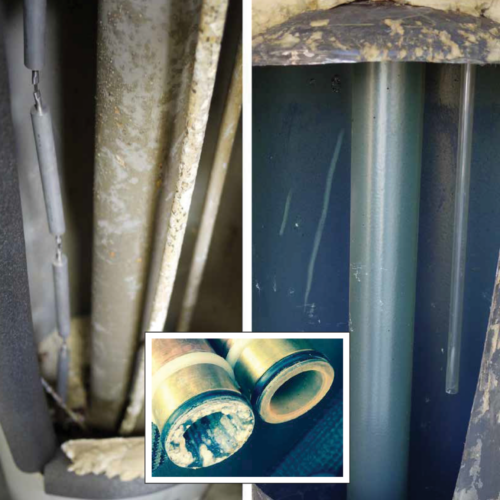
pipes with and without whole house filtration systemsInvesting in a whole-house filtration system provides profound benefits that extend far beyond a great-tasting glass of water. First and foremost, eliminating common contaminants protects the daily health and well-being of your family, giving you ultimate peace of mind. Beyond personal health, purified water acts as a dependable shield for your plumbing infrastructure. By removing hard minerals and pollutants, you protect your pipes from premature wear. Additionally, your water heater, washing machine, and dishwasher will run much more efficiently and enjoy a significantly extended lifespan, saving you from future worries and ensuring your home operates exactly as it should.

Determining Your Unique Water Needs

While the advantages of filtered water are wonderful, we believe in honest, dependable service over aggressive upselling. The truth is, not every home requires whole-house filtration systems. Your neighborhood, your municipal water source, and your specific plumbing setup all play a unique role in your overall water quality. Instead of guessing, we highly recommend beginning with an on-site water test conducted by the professional team at C. Massey Plumbing. This careful, expert diagnosis allows us to accurately determine your specific water treatment requirements and recommend only the solutions that make the most sense for your family.

Why We Choose to Install Halo Water Systems

When we resolve an issue or upgrade your plumbing, we insist on using the most reliable products in the industry. That is why C. Massey Plumbing has proudly chosen to partner with Halo Water Systems. Halo shares our dedication to home protection, integrity, and long-lasting comfort. Their advanced technology provides incredible water conditioning with zero required maintenance for the homeowner. Their systems effectively filter out pollutants and naturally inhibit limescale build-up without relying on harsh chemicals. By pairing Halo’s industry-leading equipment with our expert installation, we ensure your home’s fixtures stay in beautiful condition and your appliances run flawlessly for years to come.

Schedule Your Expert On-Site Water Test Today

Clean water is a vital part of a healthy, comfortable home. If you are curious about the quality of the water flowing through your pipes, or if you are considering the incredible benefits of whole-house filtration systems, we are here to help. Our experienced team brings industry-leading knowledge and genuine compassion to every service call, treating your home with the utmost respect. Please call our office or complete our online contact form today to schedule your on-site water test. Let us provide the expert care and dependable results you need to keep your home’s water pure, safe, and flowing right the first time.

Don’t Let the Freeze Surprise You: Winter Plumbing Prep for Your Home

Water Valve

Even though winters in North Carolina are often milder than up North and we don’t have to worry about as many winter plumbing nightmares, we still get those sudden, sharp cold snaps that put your plumbing at serious risk. A frozen or burst pipe is a homeowner’s nightmare—leading to costly damage and major headaches.

At C Massey Plumbing, we want to help you prevent that disaster! Taking a few simple, proactive steps now can save you thousands later. Here’s your essential checklist for winterizing your North Carolina plumbing system.

The Exterior Checklist: Shutting Out the Cold

Your outdoor plumbing is the most vulnerable to freezing. Tackle these items before the first hard frost hits:

  • Disconnect and Drain Hoses: This is non-negotiable! Remove all garden hoses from your outdoor spigots (hose bibs). If hoses are left attached, water can get trapped and freeze back into the connected indoor pipes, causing them to burst.
  • Insulate Outdoor Faucets: If your home has separate shut-off valves for exterior spigots (check your basement or crawl space), turn them off and drain the line by opening the outside faucet until water stops running. If you don’t have a shut-off valve, install an inexpensive foam insulating cover on every outdoor faucet for extra protection.
  • Seal Up Cracks: Inspect the exterior walls of your home, especially near the foundation and where utility lines (like water pipes) enter the house. Seal any gaps or cracks using caulk or weatherstripping to prevent freezing cold air from seeping onto your pipes.
  • Address Crawl Spaces and Vents: If you have a crawl space, ensure any vents are properly covered or closed during freezing temperatures to keep cold air out.

The Interior Checklist: Keep the Heat Flowing

Focus on pipes located in unheated or poorly insulated areas like crawl spaces, attics, garages, and pipes running along exterior walls.

  • Insulate Exposed Pipes: Wrap vulnerable pipes with foam pipe insulation sleeves or heat tape. This is a small investment that offers huge protection. Pay special attention to pipes in your garage or attic.
  • Open Cabinets (During Freezes): When temperatures are forecast to drop below freezing (especially into the low 20s), open the kitchen and bathroom cabinet doors under your sinks. This allows warmer air from your home to circulate around the pipes that often run along exterior walls.
  • Maintain Consistent Heat: Never let your home’s temperature drop too low. If you’re traveling, set your thermostat to at least 55°F. A constant temperature day and night helps prevent interior pipes from freezing.
  • Let Faucets Drip (In Extreme Cold): On nights when the temperature is expected to be well below freezing for an extended period, allow a slow, steady trickle of cold water to drip from one or two faucets, particularly those connected to an exterior wall. Moving water is far less likely to freeze, and the drip relieves pressure buildup.
  • Know Your Main Shut-Off Valve: The most important emergency step is knowing where your main water shut-off valve is located and how to use it. If a pipe bursts, shutting off the water quickly can prevent catastrophic flooding.

When to Call C Massey Plumbing

While these preventative measures will protect most homes, sometimes the cold wins. If you suspect a pipe is frozen (only a trickle comes out when you turn on a faucet), do not use a torch or open flame to thaw it! This can cause the pipe to burst or even start a fire.

If you have a plumbing emergency, or if you’d like a professional inspection to identify vulnerable pipes before winter sets in, C Massey Plumbing is here to help.

Call us today to ensure your North Carolina home is winter-ready and avoid the costly mess of a frozen pipe!

Common Water Heater Problems and Possible Solutions

CMassey Plumbing Water Heater Repair

Your water heater is a vital part of your home, providing hot water for showers, laundry, and dishes. When it malfunctions, it can disrupt your daily routine. C Massey Plumbing in Four Oaks, North Carolina, is here to help you understand common water heater problems and offer potential solutions. While some issues can be addressed with DIY methods, others require the expertise of a professional plumber.

1. No Hot Water:

  • Possible Causes:
    • Gas Water Heater: Pilot light outage, faulty thermocouple, gas supply issue, malfunctioning thermostat.
    • Electric Water Heater: Tripped breaker, faulty heating element, malfunctioning thermostat.
  • Possible Solutions:
    • Gas: Check the pilot light (if applicable) and try relighting it following the manufacturer’s instructions. Check the gas supply to other appliances. If these don’t work, contact a plumber.
    • Electric: Check the breaker box for tripped breakers and reset if necessary. If the problem persists, a heating element or thermostat may need replacement by a professional.

2. Not Enough Hot Water:

  • Possible Causes:
    • Undersized Tank: Your water heater might not be large enough for your household’s needs.
    • Sediment Buildup: Sediment accumulation at the bottom of the tank reduces its capacity and efficiency.
    • Faulty Heating Element (Electric): One of the two heating elements may have failed.
    • Incorrect Thermostat Setting: The thermostat might be set too low.
  • Possible Solutions:
    • Undersized Tank: Consider upgrading to a larger capacity water heater.
    • Sediment Buildup: Regularly flush your water heater (once a year is recommended).
    • Faulty Heating Element: Contact a plumber to inspect and replace the faulty element.
    • Incorrect Thermostat Setting: Adjust the thermostat to the recommended temperature (around 120°F).

3. Leaking Water Heater:

  • Possible Causes:
    • Corrosion: Over time, the tank can corrode and develop leaks.
    • Loose Connections: Connections to the water heater can become loose.
    • Pressure Relief Valve Issues: A faulty pressure relief valve can cause leaks.
  • Possible Solutions:
    • Corrosion: Unfortunately, if the tank itself is leaking due to corrosion, it usually needs to be replaced. Contact a plumber immediately.
    • Loose Connections: Try tightening the connections. If the leak persists, call a plumber.
    • Pressure Relief Valve Issues: A plumber can inspect and replace the pressure relief valve.

4. Noisy Water Heater:

  • Possible Causes:
    • Sediment Buildup: Sediment can cause banging, rumbling, or popping noises as the water heats.
    • Loose Heating Element (Electric): A loose element can vibrate and cause noise.
  • Possible Solutions:
    • Sediment Buildup: Flushing the water heater can often resolve this issue.
    • Loose Heating Element: A plumber can tighten or replace the loose element.

5. Discolored Water:

  • Possible Causes:
    • Rust or Corrosion: Rust from the tank or pipes can discolor the water.
    • Sediment Buildup: Sediment can also cause discoloration.
  • Possible Solutions:
    • Rust or Corrosion: If the tank is rusting, it likely needs to be replaced. If the problem is in the pipes, a plumber can advise on the best solution.
    • Sediment Buildup: Flushing the water heater may help.

When to Call a Professional:

While some water heater problems can be addressed with DIY methods, it’s crucial to know when to call a professional plumber:

  • Gas Leaks: If you smell gas, immediately turn off the gas supply and contact a plumber and your gas company.
  • Electrical Issues: If you’re uncomfortable working with electricity, always call a qualified electrician or plumber.
  • Tank Leaks: If the tank itself is leaking, it usually needs to be replaced by a professional.
  • Complex Repairs: If you’re unsure about the cause of the problem or how to fix it, it’s always best to call a licensed plumber.

C Massey Plumbing is Here to Help!

If you’re experiencing any water heater problems in Four Oaks, NC, or the surrounding areas, don’t hesitate to contact C Massey Plumbing. Our experienced plumbers can diagnose the issue and provide efficient and reliable solutions. Call us today!

Understanding the Different Types of Plumbing Pipes

C Massey Plumbing Types of Plumbing Pipes

Selecting the right plumbing pipes is crucial for a long-lasting and efficient system. With various options available, making an informed decision can be challenging. This blog explores the different types of plumbing pipes, their characteristics, and when to use them.

Types of Plumbing Pipes

  • Copper:
    • Pros: Durable, corrosion-resistant, excellent for hot and cold water.
    • Cons: Can be expensive, requires specialized installation.
  • PEX:
    • Pros: Flexible, freeze-resistant, easy to install, good insulation.
    • Cons: May not be suitable for all applications.
  • PVC:
    • Pros: Lightweight, cost-effective, chemical-resistant.
    • Cons: Primarily used for drainage, can become brittle in extreme temperatures.
  • Galvanized Steel:
    • Pros: Durable, but prone to internal corrosion.
    • Cons: No longer recommended for new installations in many areas.
  • ABS:
    • Pros: Lightweight, easy to install, chemical-resistant.
    • Cons: Primarily for drainage, not suitable for hot water or high pressure.

Factors to Consider When Choosing Pipes

  • Durability: Consider the pipe’s lifespan and resistance to environmental factors.
  • Cost: Evaluate both initial costs and potential long-term maintenance expenses.
  • Installation: Consider the complexity and required skills for installation.
  • Compatibility: Ensure the pipes are compatible with your existing system and fixtures.

Common Plumbing Pipe Problems & Solutions

  • Leaks:
    • Causes: Damaged pipes, loose fittings, corrosion.
    • Solutions: Tighten fittings, replace damaged sections, apply sealants.
  • Clogs:
    • Causes: Debris, grease, mineral buildup.
    • Solutions: Use a plunger, plumbing snake, or chemical drain cleaner (use with caution).
  • Corrosion:
    • Causes: Age, exposure to chemicals.
    • Solutions: Install corrosion-resistant pipes, use dielectric fittings.

Contact C Massey Plumbing

For expert plumbing advice and solutions, contact us at (919) 795-0546. We are your trusted source for reliable and professional plumbing services.

Winterizing Your North Carolina Home: Plumbing Tips to Prevent Frozen Pipes

While North Carolina may not experience the bone-chilling cold of northern states, it’s still important to take precautions to protect your home’s plumbing system during the winter months. Frozen pipes can lead to costly damage, so it’s worth taking the time to winterize your home properly.

Why Do Pipes Freeze?

When water freezes, it expands, putting pressure on your pipes. This expansion can cause pipes to burst, leading to water damage and potential mold growth.

How to Prevent Frozen Pipes:

  1. Maintain a Consistent Temperature:
    Keep your thermostat set to a moderate temperature, even when you’re away from home.
    Avoid drastic temperature fluctuations, as these can stress your pipes.
  2. Insulate Your Pipes:
    Properly insulated pipes are less likely to freeze.
    Consider hiring a professional to insulate exposed pipes, especially those in unheated areas like basements or crawl spaces.
  3. Inspect Your Pipes:
    Regularly inspect your pipes for signs of damage or leaks.
    If you’re unsure about the condition of your pipes, consult a professional plumber.
  4. Let Faucets Drip:
    A slow trickle of water can help prevent pipes from freezing.
    This is particularly helpful for pipes in exposed areas.

Need More Winterization Tips?

If you have any questions or concerns about winterizing your North Carolina home, don’t hesitate to contact C Massey Plumbing. We can provide expert advice and services to ensure your home is ready for the winter season.

By taking these simple steps, you can help protect your home from the damaging effects of frozen pipes and enjoy a comfortable winter.

Common Plumbing Issues and How to Prevent Them

A well-functioning plumbing system is crucial for a comfortable and functional home. When plumbing problems arise, they can disrupt daily routines and potentially lead to extensive damage if left unattended.

In this blog, we will delve into the typical plumbing issues faced by homeowners and offer practical advice on how to prevent them. Whether you’re dealing with a dripping faucet or a burst pipe, we have all the information you need. Uncover the secrets to maintaining a trouble-free plumbing system.

Understanding Plumbing Systems

Before we delve into specific plumbing issues, it’s crucial to have a basic understanding of residential plumbing systems. Your home’s plumbing system consists of an intricate network of pipes, fixtures, and appliances that deliver clean water and remove waste. A typical system includes supply lines, drainpipes, valves, faucets, toilets, and showers.

Regular maintenance is vital for ensuring the smooth operation of your plumbing system. You may prevent costly repairs and potential water damage by becoming familiar with its parts and adopting preventative actions.

Identifying Common Plumbing Issues

Plumbing problems come in various forms, but some issues occur more frequently. Let’s explore some of the most common plumbing issues and learn how to address them effectively.

Leaky Faucets

Do you hear that persistent dripping sound? Leaky faucets are annoying and can save significant water over time. The causes of faucet leaks can range from worn-out washers and O-rings to damaged seals or loose connections.

For faucet repairs, turn off the water supply under the sink. Next, disassemble the faucet and replace any faulty parts. Remember to use the plumber’s tape to ensure a watertight seal when reassembling. Remember, even a small leak can lead to substantial water wastage, so addressing the issue promptly is essential.

Clogged Drains

Dealing with slow or completely clogged drains is a common plumbing headache. Hair, soap residue, food scraps, and other debris can accumulate in your pipes over time, obstructing the water flow. If left unattended, clogged drains can cause backups and even pipe damage.

Prevention is key when it comes to drain clogs. Use drain screens to capture hair and food particles, avoid pouring grease down the kitchen sink, and be cautious about what you flush down the toilet. Clogs can also be avoided by routinely cleaning your drains with hot water and vinegar.

If you’re having trouble clearing an obstruction, try using a plunger or a drain snake. If the problem persists, it may be time to call a professional plumber.

Running Toilets

Does your toilet seem to run forever after flushing? A running toilet can waste significant water and inflate your water bill. A defective flapper valve that doesn’t seal properly is the most frequent reason for a running toilet.

To diagnose a running toilet, remove the tank lid and inspect the flapper. If it appears weathered or damaged, it should be replaced. Adjusting the chain length or the water level in the tank may also help resolve the issue. Remember, a running toilet is not just an inconvenience—it’s also a drain on your resources.

Low Water Pressure

Have you ever experienced a feeble trickle instead of a refreshing shower? Low water pressure can be frustrating, making everyday tasks like washing dishes or showering time-consuming and inefficient. Mineral deposits, leakage, or problems with the municipal water supply, among others, may cause low water pressure.

Start by checking if the water pressure problem is isolated to a specific fixture or affects the entire house. Clean or replace clogged aerators and showerheads to remove mineral buildup. If the issue persists, contact your water utility provider for any known problems. Consult a plumber to identify and address the underlying cause of low water pressure if necessary.

Burst Pipes and Water Leaks

A ruptured pipe is a plumbing emergency resulting in extensive property damage. Freezing temperatures, aging pipes, and excessive water pressure are common culprits behind burst pipes. Water leaks can cause mold growth, structural harm, and soaring water bills, even if slow and concealed.

Prevention is crucial when it comes to burst pipes and water leaks. Insulate exposed pipes in cold areas of your home, such as the basement or attic, to protect them from freezing. Regularly check for signs of water leaks, such as damp spots, musty odors, or unexplained water stains. If you suspect a leak, promptly address it by calling a professional plumber to prevent further damage.

Hot Water Heater Problems

A malfunctioning water heater can quickly disrupt your daily routine, leaving you with cold showers and frustration. Several issues can affect your water heater’s performance, including a faulty thermostat, sediment buildup, or a malfunctioning heating element.

Check your water heater’s thermostat setting if you observe lukewarm water or inconsistent temperatures. Adjust it to the desired temperature, but be cautious not to set it too high to avoid scalding. In addition to flushing the tank to remove sediment buildup and inspecting the heating element for damage, you can restore your hot water supply by flushing the tank. When in doubt, it’s advisable to consult a professional plumber for expert diagnosis and repair.

Sewer Line Blockages

Dealing with a blocked sewer line is a messy and unpleasant ordeal. Sewer line blockages can occur for various reasons, such as tree root intrusion, accumulation of grease and debris, or aging pipes. Warning signs include:

  • Multiple drains are backing up simultaneously.
  • Gurgling sounds.
  • Foul odors emanating from drains or the yard.

If you suspect a sewer line blockage, promptly preventing sewage backups and potential health hazards is essential. Consult a professional plumber who can inspect a sewer line and determine the most appropriate action, including routing the line, hydro jetting, or replacing damaged sections.

Preventive Maintenance Tips

While it’s crucial to address plumbing issues as they arise, preventive measures can save you from potential headaches and expenses. Here are some preventive maintenance tips to keep your plumbing system in top shape:

Regular Inspection of Plumbing System

Perform routine plumbing system inspections to detect leaks, corrosion, or wear and tear. Check exposed pipes, fixtures, and connections for any visible issues. Early detection can prevent minor problems from escalating into major repairs.

Importance of Drain Cleaning

Regularly clean your drains to prevent clogs and maintain optimal water flow. Use hot water and vinegar to flush away debris and keep your drains running smoothly. Avoid using chemical drain cleaners excessively, as they can damage your pipes over time.

Proper Disposal of Waste Materials

Dispose of waste materials properly to avoid clogs and pipe damage. Avoid pouring oil, grease, and coffee grounds down the drain. Dispose of sanitary products, wipes, and other non-flushable items in the trash. Educate your household members about what should and shouldn’t go down the drain.

Winterizing Plumbing Systems

Before winter arrives, protect your plumbing system from freezing temperatures. Insulate exposed pipes, disconnect and drain outdoor hoses, and consider using pipe insulation sleeves. These precautions can prevent frozen and burst pipes, saving you from costly repairs.

Conclusion

By understanding common plumbing issues and implementing preventive measures, you can maintain a reliable and efficient plumbing system in your home. Regularly inspecting your plumbing, addressing issues promptly, and following good maintenance practices will go a long way in preventing costly repairs and ensuring the comfort and convenience of your household. Remember, a little proactive care today can save you from major headaches tomorrow. 

Give us a call at (919) 795-0546 and take charge of your plumbing system and enjoy a worry-free home environment.

Dealing with Clogged Drains: Causes and Solutions

Clogged drains can be a frustrating and inconvenient problem that disrupts the smooth functioning of your plumbing system. Whether it’s a slow-draining sink, a backed-up shower, or a foul odor emanating from your drains, addressing these issues promptly is essential. 

This blog will explore the causes of clogged drains, effective solutions to clear them, and preventive measures to keep your drains flowing smoothly. Read on to learn more.

Understanding the Causes of Clogged Drains

Clogged drains can stem from various factors, and identifying the underlying cause is crucial to finding an appropriate solution. Let’s delve into some common culprits behind drain blockages:

  • Accumulation of Hair and Soap Residue

When hair combines with soap scum, it forms a sticky mess that clings to the inner walls of your drains, gradually obstructing water flow.

  • Food Particles and Grease Buildup

Kitchen drains often suffer from food scraps and grease buildup, which solidify over time, causing stubborn clogs.

  • Mineral Deposits and Hard Water

Mineral deposits can accumulate in pipes in regions with hard water, reducing their diameter and impeding water passage.

  • Foreign Objects and Debris

Sometimes, objects like jewelry, small toys, or tree roots can find their way into drains, leading to blockages.

Signs and Symptoms of Clogged Drains

Recognizing the early warning signs of clogged drains can save you from a major plumbing headache. Watch out for the following warning signs:

  • Slow Drainage and Standing Water

If the water drains from your shower slower than usual or gathers around your feet, there is likely some partial obstruction in the drainpipe.

  • Unpleasant Odors and Gurgling Sounds

Foul smells from drains and gurgling sounds when using fixtures indicate a potential clog, as trapped debris emits odors and air struggles to escape the blockage.

  • Backups in Multiple Fixtures

When multiple drains in your home are experiencing slow drainage simultaneously, it suggests a blockage in the main sewer line.

DIY Solutions for Clogged Drains

Before calling a professional, you can try DIY solutions to clear minor drain clogs. Here are some methods and resources you might want to try:

  • Plunging a Drain Effectively

Grab a plunger designed specifically for sinks or toilets, place it over the drain, and vigorously plunge up and down to create pressure that dislodges the clog.

  • Utilizing Drain Snakes or Augers

Long, flexible instruments called augers or drain snakes can reach far down the drain to dislodge or remove the clog. Rotate the snake while applying gentle pressure to maneuver it through the pipe.

  • Natural Remedies and Homemade Drain Cleaners

Certain household ingredients like baking soda, vinegar, and hot water can be a natural and eco-friendly alternative to chemical drain cleaners. These combinations create a fizzing reaction that helps break down organic matter.

Professional Methods for Clearing Clogged Drains

While DIY solutions work well for minor clogs, persistent or complex blockages may require professional intervention. Consider the following techniques used by plumbing experts:

  • Hydro Jetting: High-pressure Water to Remove Blockages

Hydro jetting employs a specialized machine that blasts highly pressurized water into the pipes, clearing away even the most stubborn clogs and debris.

  • Drain Snaking with Motorized Equipment

Professional plumbers use advanced drain snakes with motorized capabilities to navigate complex piping systems and remove obstructions efficiently.

  • Video Camera Inspection for Accurate Diagnosis

Plumbers utilize video cameras put into the pipes to locate and identify the precise nature of a blockage in a drain. This enables them to provide a precise solution tailored to your specific issue.

Preventive Measures to Avoid Clogged Drains

The initial step to maintaining the health of your drainage is prevention. You may drastically lower the likelihood of clogs by establishing a few easy habits. Here are some preventive measures to consider:

  • Proper Disposal of Waste Materials

Dispose of food scraps, grease, and other waste materials in the appropriate trash receptacles rather than down the drain.

  • Regular Cleaning and Maintenance Tips

Routinely flush drains with hot water, use enzymatic cleaners to break down organic matter and consider professional drain cleaning services periodically.

  • Using Drain Guards and Strainers

Install drain guards or filters in your sinks, showers, and tubs to catch hair, food particles, and other debris before they enter the drain.

Conclusion

Clogged drains are a common household nuisance, but you can effectively deal with them with the right knowledge and techniques. By understanding the causes of clogs, recognizing the warning signs, and implementing preventive measures, you can keep your drains clear and maintain a healthy plumbing system. 

Remember, when facing persistent or severe clogs, don’t hesitate to contact C Massey Plumbing for expert assistance. Keep your drains flowing smoothly, and bid farewell to clogs and plumbing woes. Contact us at (919) 795-0546.


Frequently Asked Questions (FAQs)

How often should drains be cleaned professionally?

Depending on your usage, professional drain cleaning is recommended every 1-2 years to prevent debris buildup and potential clogs.

Can clogged drains lead to bigger plumbing issues?

If not fixed, clogged drains can cause more serious issues, including pipe corrosion, sewage backups, and even structural damage to your property.

Are chemical drain cleaners safe for the pipes?

Chemical drain cleaners can be harsh on pipes, especially older or fragile ones. It’s advisable to use them sparingly and consider natural alternatives when possible.

What should I do if the DIY methods fail to clear the clog?

If your attempts at clearing the clog prove unsuccessful, it’s time to seek professional help. Plumbers have the expertise and specialized tools to tackle challenging blockages.

Are there any eco-friendly options for unclogging drains?

There are many eco-friendly ways to clean drains, such as baking soda and vinegar or enzyme drain cleaners, which break down organic waste without harsh chemicals.

How to Choose the Right Faucets and Fixtures for Your Home

Choosing the right faucets and fixtures can significantly impact your home’s style and functionality. This guide will help you make informed decisions that suit your needs and preferences.

Factors to Consider:

  • Water Efficiency: Prioritize water-efficient options to conserve water and save on utility bills. Look for the WaterSense label and consider low-flow options.
  • Style & Design: Select fixtures that complement your home’s overall aesthetic. Consider finishes, shapes, and handle types that align with your style.
  • Functionality: Choose fixtures that meet your specific needs. Consider pull-out sprays, pot fillers, and single-handle faucets for ease of use.
  • Durability & Longevity: Invest in high-quality materials like solid brass or stainless steel for long-lasting performance.
  • Budget: Set a budget before exploring options to ensure your choices align with your financial plan.

Types of Faucets & Fixtures:

  • Bathroom:
    • Single-handle, widespread, center set, wall-mounted, showerheads, tub fillers.
  • Kitchen:
    • Single-handle, pull-out/pull-down, commercial-style, pot fillers.
  • Other Areas:
    • Laundry rooms, outdoor spaces, utility sinks.

Tips for Selection:

  • Research Brands: Explore reputable brands known for quality and reliability.
  • Read Reviews: Learn from other homeowners’ experiences with specific products.
  • Consider Installation & Maintenance: Choose options that are easy to install and maintain.
  • Explore Eco-Friendly Options: Choose WaterSense certified fixtures for sustainability.
  • Visit Showrooms: See fixtures in person and consult with plumbing experts.

Conclusion:

Choosing the right faucets and fixtures is an important decision that impacts both the style and functionality of your home. By considering the factors mentioned above and consulting with professionals like C Massey Plumbing, you can create a beautiful and efficient home.

Contact us today at (919) 795-0546 for expert plumbing advice and to discuss your needs.

The Importance of Regular Plumbing Maintenance

As a homeowner, many issues exist, such as managing your money, keeping your house comfortable, and ensuring your family is safe. Amid all these responsibilities, it’s easy to overlook the often-forgotten hero behind the scenes—your plumbing system. Regular plumbing maintenance is an essential aspect of homeownership that can save you from costly repairs, extend the lifespan of your plumbing infrastructure, and ensure efficient water flow. 

This blog will discuss the need for routine plumbing maintenance and offer helpful advice for keeping your plumbing system in great shape. Read on to learn more.

Why Is Regular Plumbing Maintenance Important?

Let’s explore some of the reasons why regular plumbing maintenance is crucial.

Avoiding Costly Repairs

Cost reductions are among the most compelling arguments for prioritizing routine plumbing maintenance. Imagine waking up to a burst plumbing or a flooded bathroom in the dead of winter. These emergencies disrupt your daily life and can lead to significant financial burdens. By taking proactive measures and investing in regular plumbing maintenance, you can prevent these major plumbing issues from occurring in the first place.

Regular maintenance allows a trained professional to inspect your plumbing system, identify any signs of wear or damage, and address them before they escalate into costly repairs. Small leaks, for example, may go unnoticed for months until they cause severe water damage or mold growth. By catching these issues early on, you can save yourself from the headaches and expenses of extensive repairs.

Additionally, regular maintenance helps ensure that your plumbing infrastructure, including pipes, fixtures, and appliances, remains in good working condition. It allows for detecting and repairing minor problems that, if left unattended, can cause significant damage over time. By investing in preventative care, you safeguard your home and wallet.

Extending the Lifespan of Plumbing Systems

Your home’s plumbing infrastructure has a finite lifespan, just like any other system. However, you may considerably increase its longevity with routine maintenance. Consider doing it like an oil change and tune-up for your car. The more time it lasts, the more you will take care of it.

During routine plumbing check-ups, professionals can identify and address issues that may affect the lifespan of your plumbing system. For instance, they can spot signs of corrosion, leaks, or mineral buildup in your pipes. Promptly addressing these problems prevents them from worsening and potentially causing irreparable damage.

Regular maintenance also allows for inspecting and maintaining important components such as water heaters, sump pumps, and sewage systems. These appliances and systems are critical for the smooth operation of your plumbing infrastructure, and by keeping them in good condition, you ensure their optimal performance and longevity.

Ensuring Efficient Water Flow

Efficient water flow is vital for a functional and convenient plumbing system. Regular maintenance plays a key role in ensuring that water flows smoothly throughout your home without any disruptions or fluctuations in pressure.

Over time, sediment, mineral deposits, and debris can accumulate in your pipes, restricting water flow and causing low water pressure. These issues, such as showering or washing dishes, affect your daily activities and can indicate underlying plumbing problems. By scheduling regular maintenance, you can prevent clogs and blockages, ensuring water flows freely and consistently.

Moreover, during maintenance visits, professionals can inspect and clean your faucets, showerheads, and aerators. These components can accumulate mineral deposits and become clogged, affecting water flow and wasting water. You can enjoy optimal water flow while conserving this precious resource by cleaning and maintaining these fixtures.

Conserving Water and Reducing Utility Bills

In today’s world, where environmental conservation is increasingly important, plumbing maintenance also contributes to water conservation efforts. By detecting and fixing leaks, professionals help prevent unnecessary water wastage.

Even seemingly minor leaks can result in significant water loss over time. A dripping faucet or a running toilet may seem like a small deal, but when left unattended, they can save thousands of gallons of water annually. Regular maintenance allows for promptly identifying and repairing these leaks, helping conserve water and reduce environmental impact.

Furthermore, water conservation directly translates to reduced utility bills. By addressing leaks and optimizing the efficiency of your plumbing system, you can see noticeable savings on your water bills. These savings increase, making regular plumbing maintenance a wise financial investment.

Signs That Indicate the Need for Plumbing Maintenance

Low Water Pressure

Have you noticed a weak water flow from your faucets or shower heads? Low water pressure is a distressing issue that frequently indicates that your plumbing system needs repair. While it could be due to issues with the municipal water supply, such as maintenance work or high demand, it’s essential to rule out any internal plumbing issues.

Numerous factors, including silt buildup, pipe leaks, and obstructions, might result in low water pressure in your home. Regular plumbing maintenance can identify and resolve these issues, restoring water pressure to its optimal level. An expert plumber can evaluate the situation and suggest the required actions to manage low water pressure successfully.

Slow Drains

Is the water in your bathtub, shower, or sink always draining? Slow drains are a typical plumbing problem that may indicate more severe issues. While simple DIY solutions like a plunger or drain snake can frequently clear minor obstructions, persistently slow drains might need expert assistance.

Regular maintenance can help prevent the buildup of debris, hair, soap scum, or grease that can lead to clogged drains. A professional plumber can inspect and clean your drains, ensuring that water flows freely and preventing more significant blockages from occurring in the future.

Unpleasant Odors

Are foul odors wafting up from your drains or toilets? Unpleasant smells in your plumbing system can indicate sewer lines or drainage issues. It’s essential to address these odors promptly, as they can indicate potentially hazardous conditions and compromise the indoor air quality of your home.

Regular plumbing maintenance can identify the sources of these odors and provide appropriate solutions. Whether it’s a blockage in the sewer line, a malfunctioning vent pipe, or a dried-out P-trap, a professional plumber can diagnose and rectify the issue, ensuring your home smells fresh and clean.

Noisy Pipes

Do your pipes make strange noises, such as banging, rattling, or squeaking? Noisy pipes can be disruptive and even alarming, but they’re often a symptom of an underlying plumbing problem. The causes of noisy pipes can vary, ranging from loose valves or water hammers to sediment buildup or high water pressure.

Regular plumbing maintenance can identify the source of these noises and take appropriate measures to address them. A professional plumber can assess your plumbing system, adjust water pressure, secure loose pipes, or install water hammer arrestors to eliminate noise and ensure smooth, quiet operation.

Discolored Water

Has the color of your tap water suddenly changed, appearing cloudy, brown, or rusty? Discolored water is a concerning issue that should not be ignored. It can indicate various problems, such as rusted pipes, sediment buildup, or contamination.

It’s critical to schedule a plumbing maintenance appointment when you see colored water. A skilled plumber can look at your plumbing system, determine what’s causing the damage, and suggest the best way to fix it. You can immediately ensure your water source is safe and good by taking care of discolored water.

Conclusion

Regular plumbing maintenance is a crucial aspect of homeownership that should be considered. By prioritizing the care and maintenance of your plumbing system, you can avoid costly repairs, extend the lifespan of your plumbing infrastructure, ensure efficient water flow, conserve water, and reduce utility bills. By being proactive and scheduling regular maintenance appointments with experienced plumbers, you can detect and resolve minor issues before they become more severe.

Keep in mind that your home’s plumbing system acts as a secret superhero, operating discreetly in the background to ensure you have access to clean water, enjoyable showers, and functional appliances. It’s essential to acknowledge its significance before encountering a plumbing crisis. 

By prioritizing regular plumbing maintenance, you can experience the reassurance of a well-kept and efficient system, granting you peace of mind. Call us at (919) 795-0546.


FAQs About Regular Plumbing Maintenance

How often should plumbing maintenance be performed?

Some factors, including the age of your plumbing system, water supply quality, and utilization patterns, influence how frequently you should maintain your plumbing system. It is generally recommended to schedule a professional plumbing inspection and maintenance at least once a year. 

However, older homes or properties with specific plumbing issues may require more frequent maintenance visits. Consulting with a professional plumber can help determine the ideal maintenance schedule for your circumstances.

Can I perform plumbing maintenance tasks myself?

While homeowners can perform basic plumbing maintenance tasks, knowing your limitations is essential. Simple tasks like cleaning faucets, showerheads, and aerators or visually inspecting visible pipes for leaks can be done by homeowners. 

However, more complex tasks, such as water heater maintenance, sewer line inspections, or extensive repairs, are best left to trained professionals. Attempting complicated plumbing tasks without the necessary expertise can lead to costly mistakes and further damage. It is generally prudent to seek the advice and assistance of a qualified plumber.

What are the common plumbing issues that regular maintenance can prevent?

Regular plumbing maintenance can help prevent many common issues, including leaks, clogs, burst pipes, water heater malfunctions, and sewer line backups. By addressing minor problems early on, you can avoid major plumbing emergencies and the associated damages, inconveniences, and expenses. 

Maintenance visits allow professionals to inspect your plumbing system, identify potential issues, and perform necessary repairs or preventive measures to keep your plumbing infrastructure in excellent condition.

How much does professional plumbing maintenance cost?

Professional plumbing maintenance costs may vary based on the complexity of the plumbing system, the extent of maintenance required, and the location. On average, homeowners can expect to spend anywhere from $100 to $500 for a routine plumbing maintenance visit. 

Remember that this expense is an investment in the durability and efficacy of your plumbing system, which could save you money on future repairs. Consulting with local plumbers and obtaining multiple quotes can help you better understand the costs specific to your area.

Does homeowners insurance cover plumbing maintenance?

Homeowners’ insurance policies typically cover sudden and accidental damages to your plumbing system, such as burst pipes resulting from freezing temperatures or sudden leaks due to plumbing failures. However, regular plumbing maintenance considered preventive care, is generally not covered by insurance. 

It is important to review your insurance policy and understand its coverage limitations regarding plumbing-related issues. Investing in regular plumbing maintenance is a proactive step to prevent emergencies and minimize the likelihood of making insurance claims for avoidable damages.