Even though winters in North Carolina are often milder than up North and we don’t have to worry about as many winter plumbing nightmares, we still get those sudden, sharp cold snaps that put your plumbing at serious risk. A frozen or burst pipe is a homeowner’s nightmare—leading to costly damage and major headaches.
At C Massey Plumbing, we want to help you prevent that disaster! Taking a few simple, proactive steps now can save you thousands later. Here’s your essential checklist for winterizing your North Carolina plumbing system.
The Exterior Checklist: Shutting Out the Cold
Your outdoor plumbing is the most vulnerable to freezing. Tackle these items before the first hard frost hits:
- Disconnect and Drain Hoses: This is non-negotiable! Remove all garden hoses from your outdoor spigots (hose bibs). If hoses are left attached, water can get trapped and freeze back into the connected indoor pipes, causing them to burst.
- Insulate Outdoor Faucets: If your home has separate shut-off valves for exterior spigots (check your basement or crawl space), turn them off and drain the line by opening the outside faucet until water stops running. If you don’t have a shut-off valve, install an inexpensive foam insulating cover on every outdoor faucet for extra protection.
- Seal Up Cracks: Inspect the exterior walls of your home, especially near the foundation and where utility lines (like water pipes) enter the house. Seal any gaps or cracks using caulk or weatherstripping to prevent freezing cold air from seeping onto your pipes.
- Address Crawl Spaces and Vents: If you have a crawl space, ensure any vents are properly covered or closed during freezing temperatures to keep cold air out.
The Interior Checklist: Keep the Heat Flowing
Focus on pipes located in unheated or poorly insulated areas like crawl spaces, attics, garages, and pipes running along exterior walls.
- Insulate Exposed Pipes: Wrap vulnerable pipes with foam pipe insulation sleeves or heat tape. This is a small investment that offers huge protection. Pay special attention to pipes in your garage or attic.
- Open Cabinets (During Freezes): When temperatures are forecast to drop below freezing (especially into the low 20s), open the kitchen and bathroom cabinet doors under your sinks. This allows warmer air from your home to circulate around the pipes that often run along exterior walls.
- Maintain Consistent Heat: Never let your home’s temperature drop too low. If you’re traveling, set your thermostat to at least 55°F. A constant temperature day and night helps prevent interior pipes from freezing.
- Let Faucets Drip (In Extreme Cold): On nights when the temperature is expected to be well below freezing for an extended period, allow a slow, steady trickle of cold water to drip from one or two faucets, particularly those connected to an exterior wall. Moving water is far less likely to freeze, and the drip relieves pressure buildup.
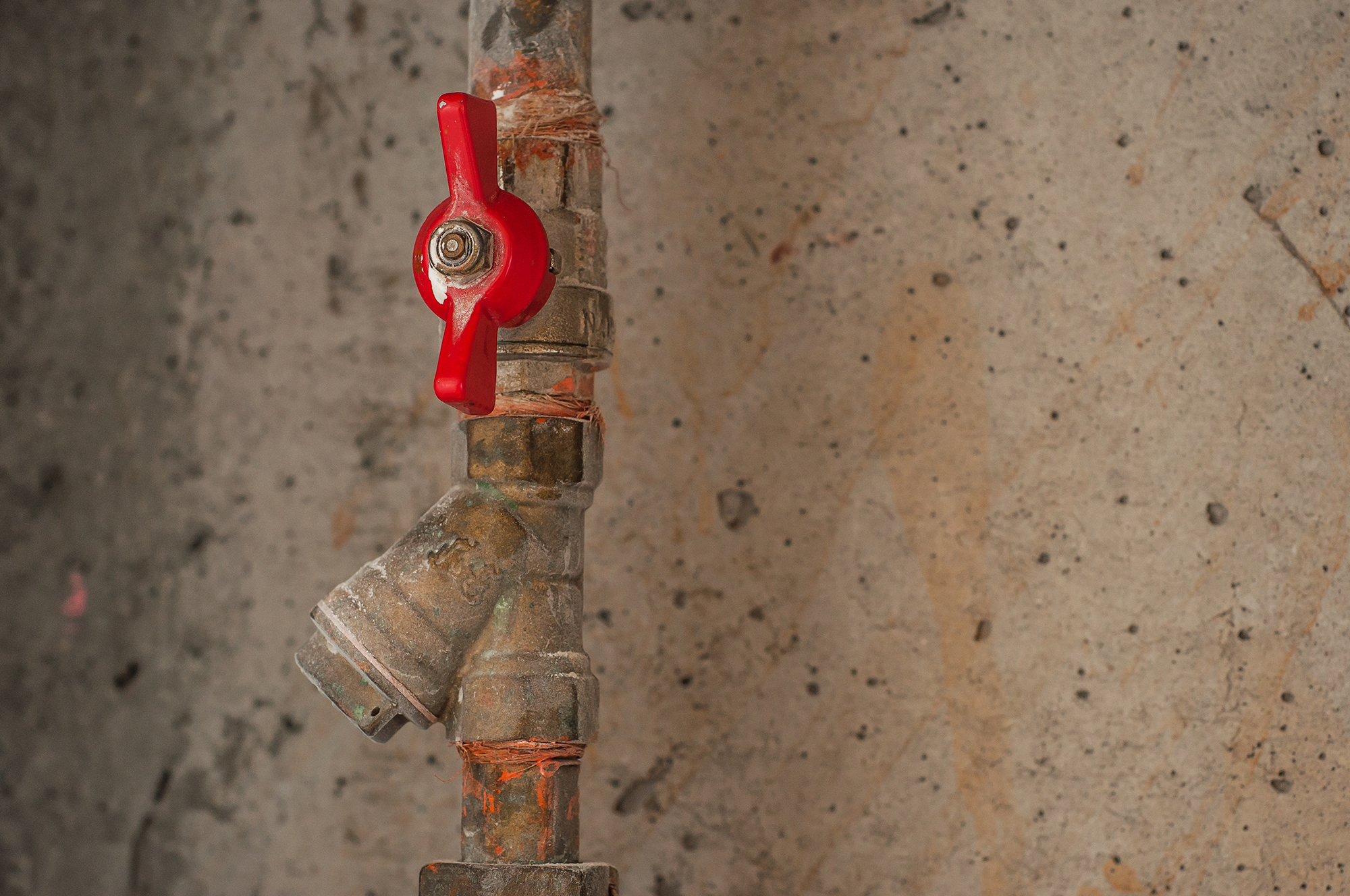
- Know Your Main Shut-Off Valve: The most important emergency step is knowing where your main water shut-off valve is located and how to use it. If a pipe bursts, shutting off the water quickly can prevent catastrophic flooding.
When to Call C Massey Plumbing
While these preventative measures will protect most homes, sometimes the cold wins. If you suspect a pipe is frozen (only a trickle comes out when you turn on a faucet), do not use a torch or open flame to thaw it! This can cause the pipe to burst or even start a fire.
If you have a plumbing emergency, or if you’d like a professional inspection to identify vulnerable pipes before winter sets in, C Massey Plumbing is here to help.
Call us today to ensure your North Carolina home is winter-ready and avoid the costly mess of a frozen pipe!